
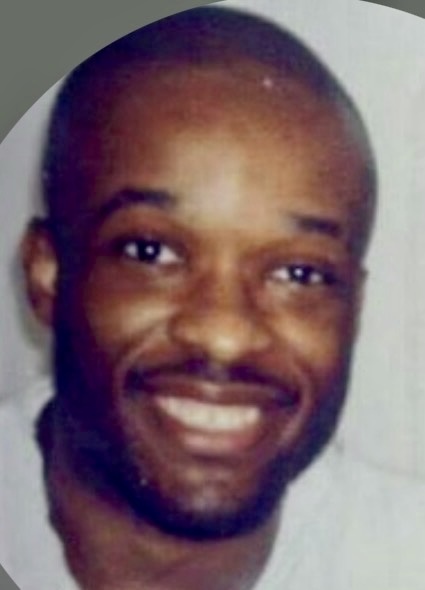
Ker’Sean Olajuwa Ramey faces execution on September 23, 2026, despite profound constitutional violations that led to his conviction and death sentence. Ramey was convicted of killing Sam Roberts, Tiffani Peacock, and Celso Lopez during a botched robbery in 2005 in Edna, Jackson County, Texas. He was 20 years old at the time of the crime and has spent nearly half of his life on death row.
Updates as of September 22, 2026
On Monday, September 21, 2026, the Texas Board of Pardons and Paroles voted not to recommend the commutation of Ramey’s death sentence or a reprieve to allow for a full consideration of the serious constitutional claims he has raised. The Texas Court of Criminal Appeals also denied relief, including Ramey’s motion for a stay of execution, without reviewing the merits of his claims.
Mr. Ramey has asked the Supreme Court of the United States to step in, but Texas Governor Greg Abbott can also prevent this miscarriage of justice.
We must now put pressure on Governor Abbott to use his independent authority to issue a one-time 30-day reprieve. You’ll find phone numbers and a sample message below.
Why Governor Abbott must stop this execution:
- Ramey received abysmal representation from a part-time lawyer who had no capital trial experience and did not conduct his own investigation of the case. He didn’t call a single witness during the guilt phase of the trial.
- Due to his lawyer’s deficiencies, jurors did not hear critical mitigating evidence that could have persuaded them to spare Ramey’s life. Instead, they were presented with judicially discredited testimony from the State’s expert on future dangerousness. Jurors deliberated for only 14 minutes before sentencing Ramey to death.
- Ramey was prosecuted in a county with a documented history of excluding jurors based on race. At his trial, the State systematically excluded all potential Black jurors, resulting in a nearly all-white jury (11 white, 1 Hispanic) judging a Black defendant.
- The Jackson County Criminal District Attorney’s Office has withheld documents that could be crucial to Ramey’s defense. Last week, the Texas Attorney General ordered the release of these documents, but Ramey’s legal team still has not received them and will need time to fully inspect and analyze the information they contain.
Here are the numbers to call (you can call either one):
Opinion Hotline: (512) 463-1782
Office of the Governor Main Switchboard: 512-463-2000
Alternatively, you can submit a message at https://gov.texas.gov/apps/contact/opinion (under Issues, select “Criminal Law and Justice).
Here is a short script for calls:
“Hello. I am calling today to urge Governor Abbott to issue a 30-day reprieve to Ker’Sean Ramey. Mr. Ramey faces execution on Wednesday, September 23, 2026, even though the Jackson County Criminal District Attorney’s Office has withheld documents that are potentially crucial to his defense.
It is incumbent on the Governor to do everything in his power to stop this execution. Mr. Ramey’s attorneys must have time to analyze these critical files, which they still have not obtained despite a directive from the Texas Attorney General. Thank you for your time and attention to this serious matter.”
Background information
Ker’Sean Ramey’s rights to due process and a fair trial were violated at the outset when the State systematically excluded all potential Black jurors—with no meaningful opposition from his defense attorney. This resulted in a nearly all-white jury (11 white, 1 Hispanic) judging a Black defendant in a region of Texas known for discriminatory practices.
Ramey was represented by a man who was fundamentally unqualified and unprepared to handle a capital case; his failures pervaded every phase of the trial and initial appeals. Not only had this attorney never tried a capital case – he spent his days as a practicing dentist and only ran a solo law practice on the side in the evenings.
Trial counsel conducted virtually no independent investigation and did not retain a ballistics or forensic expert, even though no physical evidence ever tied Ramey to the crime scene or the weapons. The case rested on testimony from an admitted co-defendant and jailhouse informants with undisclosed deals. The murder weapons were subsequently lost by the State.
The defense attorney did not call any witnesses during the guilt phase. He also failed to investigate or present much of the readily available mitigating evidence of Ramey’s childhood abuse, poverty, cognitive impairment, and IQ of 81, calling just two witnesses in the crucial penalty phase of the trial.
On the other side, the State knowingly presented false testimony and suppressed exculpatory and impeachment evidence, including undisclosed plea deals, witnesses’ criminal histories, and a delayed plea agreement that limited cross-examination. During the penalty phase, prosecutors called an expert witness who provided testimony about future dangerousness that courts have since found to be scientifically unreliable.
Against this backdrop, the jury deliberated less than two hours before returning a guilty verdict and only 14 minutes before sentencing Ramey to death.
Trial counsel’s failures across all phases deprived Ramey of his Sixth Amendment right to effective representation. These violations were compounded when this same unqualified attorney handled the direct appeal and failed to adequately raise available claims. Just a few years after Ramey’s trial, his attorney was suspended from the practice of law after a Texas court found he had committed professional misconduct by neglecting another client’s case.